Quick answer: A water butt is a large container, usually 100 to 300 litres, that collects rainwater from your roof via a downpipe. A rain diverter fills it, a tap at the bottom lets you fill a watering can, and once it’s full the extra water carries on down the drain. It gives you free, soft rainwater for the garden, and you can keep using it during a hosepipe ban.
If you’ve ever stood watering the garden with tap water while it poured down the week before, a water butt is the fix. They’re one of the cheapest, simplest and most satisfying bits of kit a gardener can own, and once fitted they quietly pay you back every time it rains.
This guide covers everything you need to know: what a water butt actually is, how it fills and empties, the sizes and styles available, where to put one, what it costs and whether it’s really worth it.
What is a water butt?
A water butt is a rainwater storage container for the garden. The word “butt” is an old name for a large cask or barrel, which is why the classic water butt still looks like a barrel today.
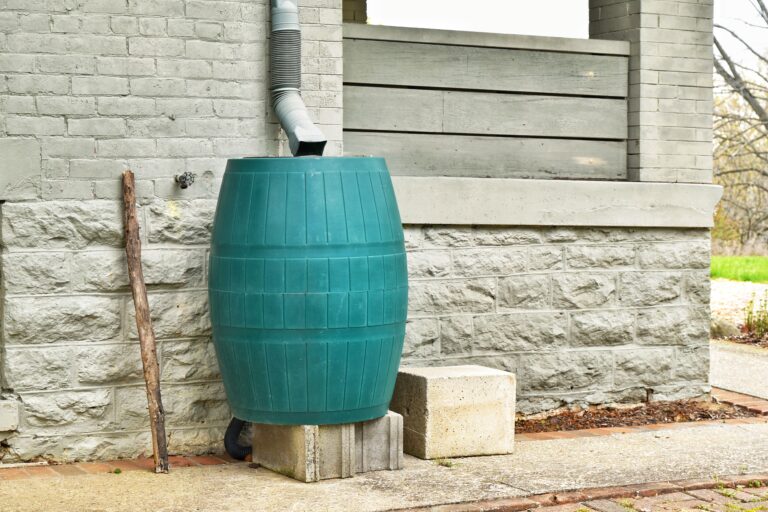
Most water butts are made from tough, UV-stabilised plastic and sit next to a downpipe on the side of a house, garage, shed or greenhouse. Rain lands on the roof, runs into the gutter, down the pipe and into the butt, where it’s stored until you need it.
A typical water butt set-up has five parts:
- The butt itself, the container that holds the water.
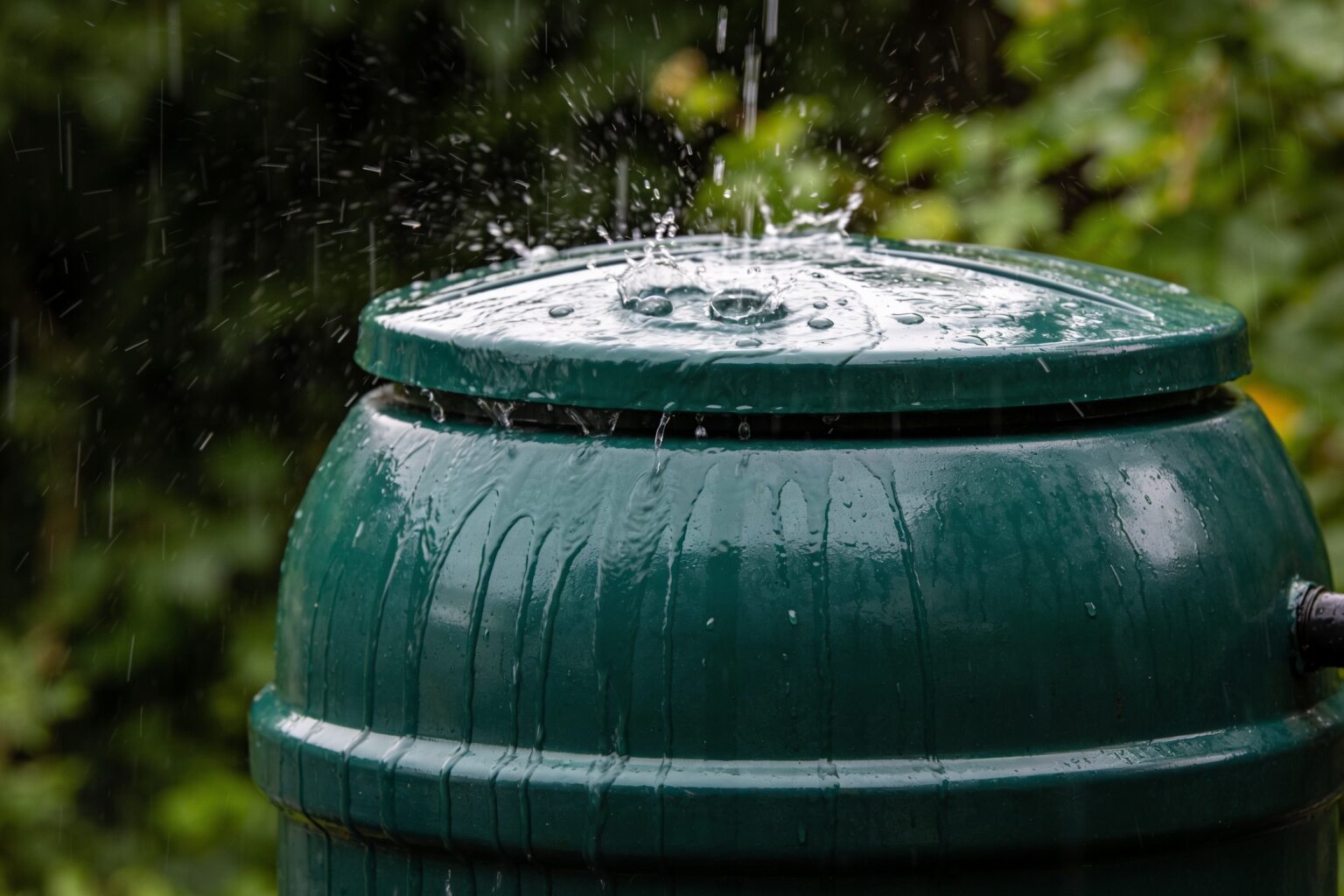
- A lid, which keeps out light, leaves, insects, children and pets.
- A tap near the bottom, so you can fill a watering can.
- A stand, which lifts the butt so a can fits under the tap.
- A rain diverter (sometimes called a filler kit), which connects the butt to the downpipe.
You can buy each part separately, but most people start with a complete water butt kit that includes everything in one box.
How does a water butt work?
The clever bit is how it fills, and how it stops filling.
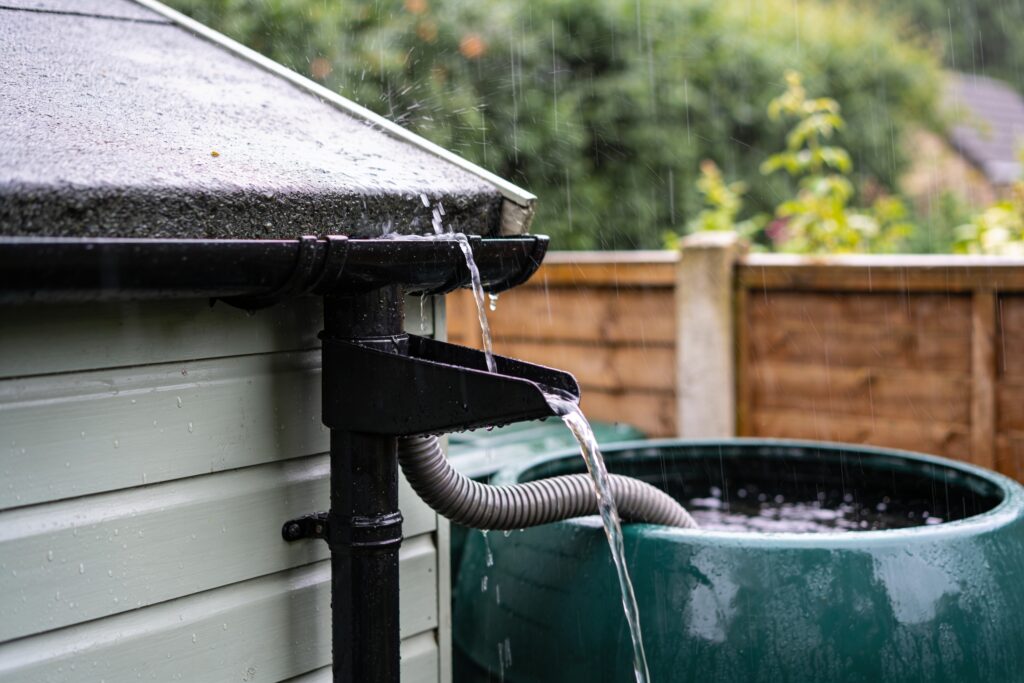
- Rain runs off the roof into the gutter and down the downpipe.
- A rain diverter fitted into the downpipe catches the water running down the inside of the pipe and sends it along a short hose into the side of the butt.
- The butt fills up. As it does, the water level in the butt and the connecting hose rises.
- When it’s full, the water level reaches the diverter, so no more can flow in. The rest of the rain simply carries on down the downpipe to the drain, just as it did before.
- You use the water by opening the tap at the bottom, or with a pump if you want to run a hose.
That’s why a properly fitted diverter is so important. Get the height right and the butt never overflows. We explain the details in how a water butt diverter works.
Can you have a water butt without a downpipe?
Yes. Greenhouses, sheds and summerhouses often have a gutter but no proper downpipe. You can fit a short length of pipe from the gutter outlet to a diverter, or run the gutter straight into a lidded butt with an inlet and an overflow kit. The aim is the same: catch the water, store it, and send the excess somewhere sensible once it’s full.
Why use a water butt? The real benefits
1. Free water for the garden
Once it’s fitted, every drop in the butt is free. If you’re on a water meter, the water you’d otherwise use from the outside tap shows up on your bill, so a water butt makes a real difference over a summer.
2. Rainwater is better for many plants
Rainwater is naturally soft and slightly acidic. Most UK tap water is treated, and in many areas it’s hard (high in calcium). Acid-loving plants such as blueberries, camellias, rhododendrons, azaleas and pieris all do better with rainwater, and carnivorous plants positively need it.
3. You can keep watering in a hosepipe ban
During a temporary use ban (a “hosepipe ban”), water companies restrict the use of mains water through a hose. Rainwater you’ve collected in a water butt isn’t mains water, so you can keep using it, including with a hose and a water butt pump.
4. It takes pressure off drains
In a heavy downpour, all the water from your roof rushes into the drains at once. A water butt holds back some of it, which helps a little with local drainage, especially when lots of homes in a street have them.
5. It’s an easy eco win
Treating and pumping mains water uses energy. Using rainwater for the garden instead is one of the simplest ways to make your garden a bit greener, without changing how you garden.
How much water can a water butt collect?
More than most people expect. The rule of thumb is simple:
1 mm of rain on 1 m² of roof = about 1 litre of water.
So a 10 m² shed roof catches around 100 litres from a single 10 mm downpour. The RHS notes that even the roof of a small shed in dry south-east England can collect 2,500 to 3,500 litres of rainwater a year. That’s the equivalent of filling a 240 litre butt more than ten times over.
| Roof | Rough area | From a 10 mm shower |
|---|---|---|
| Small shed | 4 m² | about 40 litres |
| Large shed or greenhouse | 12 m² | about 120 litres |
| Garage | 20 m² | about 200 litres |
| Section of house roof | 40 m² | about 400 litres |
These are worked examples. Real figures run a little lower once splash and gutter losses are counted. For a full breakdown, see our guide to what size water butt you need.
What sizes do water butts come in?
Water butts range from compact 50 litre barrels to tanks holding 1,000 litres or more. Here’s how the main sizes compare:
| Size | Best for | Typical footprint |
|---|---|---|
| 50 to 120 litres | Sheds, greenhouses, small gardens, balconies | Small, often slimline |
| 160 to 250 litres | Most back gardens, the classic size | About 55 to 60 cm across |
| 300 to 650 litres | Big roofs, keen veg growers, allotments | Tall towers or wall tanks |
| 1,000 litres + | Allotments, large plots, serious storage | IBC tanks, large tanks |
Browse by size: small water butts, 200 litre water butts, large water butts and rainwater tanks.
Tip: Two smaller butts linked together are often better than one giant one. They’re easier to place, cheaper to start with and you can add the second later. Here’s how to link water butts.
Types and styles of water butt
Classic round water butts
The traditional green or black barrel. Affordable, sturdy and easy to fit, they’re still the most popular choice. Most hold around 200 to 250 litres.
Slimline and wall-mounted water butts
These are flat-backed so they sit tight against the wall. They’re ideal for narrow side returns, beside back doors and along paths. See slimline water butts.
Square and rectangular water butts
Flat sides make better use of corners and walls, so you store more water for the floor space you lose. See square water butts.
Decorative water butts
Stone, oak, terracotta, rattan and amphora styles that look good on a patio or by the front door. See decorative water butts.
Planter water butts
A water butt with a planting space on top, so it doubles as a feature. Great for small gardens. See planter water butts.
Collapsible water butts
Folding PVC butts that pack away for winter. Handy for renters, allotments and anyone who wants a temporary set-up. You’ll find these in rainwater tanks.
Where should you put a water butt?
The obvious spot is next to a downpipe, but a few things make a big difference:
- Firm, level ground. Water weighs 1 kg per litre, so a full 210 litre butt weighs over 200 kg. Paving slabs or compacted hardcore make a good base. Soft soil or lawn can sink on one side and tip the butt over.
- Close to the downpipe. The hose from the diverter is short, so the butt usually needs to be within about half a metre of the pipe.
- Easy access. You’ll be visiting with a watering can, so keep the path to the tap clear.
- Shade where possible. Keeping the butt out of strong sun helps stop the water warming up and turning green.
- Near where you need the water. A butt by the greenhouse or veg patch saves a lot of walking.
Our step-by-step guide to fitting a water butt walks you through the whole job.
How much does a water butt cost?
A basic 100 litre slimline kit is one of the cheapest bits of garden kit you can buy. Standard 200 to 250 litre kits cost a little more, while large tanks and decorative styles cost more again. Prices change regularly, so the easiest way to compare is to browse our water butts and click through for today’s price on Amazon.
The running cost is nothing. Apart from an annual clean and perhaps a new tap every few years, there’s nothing to pay once it’s in.
Is a water butt worth it?
For most gardeners, yes. Here’s the quick case for and against.
Worth it if you:
- grow fruit and veg, or have lots of pots, hanging baskets or a greenhouse
- are on a water meter
- want to keep watering through hosepipe bans
- grow acid-loving plants that prefer soft water
Maybe not worth it if you:
- have a tiny paved garden with nothing to water
- have no downpipe or gutter anywhere near where a butt could go
Even then, a small slimline butt on a shed or porch can be surprisingly useful.
Looking after your water butt
A water butt needs very little care:
- Keep the lid on to keep out light, leaves and insects.
- Clean it once a year. The RHS recommends an annual clean with warm water and a little washing-up liquid.
- Check the tap and seals each spring.
- Clear your gutters in late autumn so leaves don’t wash in.
There’s much more in our guide to keeping water butt water clean.
Water butt FAQs
Is water butt water safe to drink?
No. Water butt water isn’t treated and can pick up bird droppings, moss and bacteria from the roof. It’s for the garden only. Never drink it.
Can I use water butt water on vegetables?
Yes, rainwater is fine for established fruit and veg. The RHS advises using mains water for seedlings, because stored rainwater can carry diseases that cause damping off.
Does a water butt need a lid?
Yes. A lid keeps out light (which causes algae), leaves, insects and disease spores, and it’s an important safety feature if children or pets use the garden.
Can a water butt freeze?
The water can freeze in a hard winter. A full butt that freezes solid can split, and taps can crack. Many people drain their butt part way, or leave the tap slightly open, in very cold spells.
Do water butts attract mosquitoes?
Only if they’re open. A tight-fitting lid or fine mesh cover stops mosquitoes laying eggs on the water.
How long does a water butt last?
A good plastic water butt kept out of harsh sun and given an annual clean will last for many years. Taps and seals are the parts most likely to need replacing, and they’re cheap. See water butt taps.
Ready to get started?
A water butt is one of the easiest wins in the garden. Pick a size that suits your roof, choose a style that suits your space and you’ll be watering with free rainwater by the next shower.