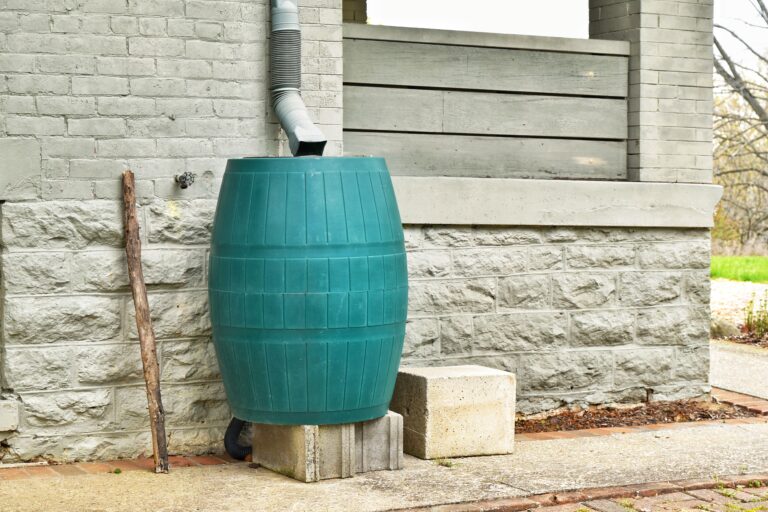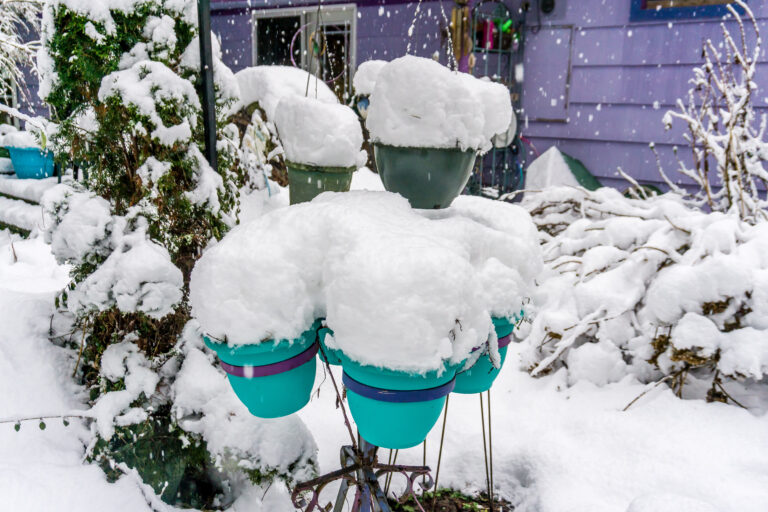
Quick answer: Good winter water butt care comes down to three things: leave room for ice to expand, protect the tap, and stop the butt overfilling when it can’t drain. Lower the water level by roughly a third before hard frosts, insulate or remove the tap, keep the lid on, and check the stand is level. In very cold spots, or for older plastic butts, drain it completely.
The first hard frost of the year has a habit of arriving overnight, and the first sign you’ve been caught out is a split tap or a hairline crack running down the side of your water butt. It’s a frustrating way to lose a summer’s worth of savings, especially when a few minutes of work in November would have prevented it.
This guide covers simple winter water butt care: whether to empty it, how to stop the tap and the plastic body freezing and splitting, what to do with the diverter, and how to get it ready for spring so it’s full when your plants need it.
Why water butts split in winter
Water expands as it turns to ice, by roughly 9% of its volume. In a full, sealed container that extra volume has nowhere to go, so it pushes outwards on the walls, the base and especially the tap fitting. Plastic copes with a surprising amount of this, but it gets more brittle in the cold and with age, and repeated freeze-thaw cycles find any weak spot.
The usual casualties are:
- The tap. It’s the narrowest part, holds a little plug of water and is often plastic. It is almost always the first thing to crack.
- The tap fitting and seal. Ice can force the backnut loose or distort the washer, which leads to a slow leak in spring.
- The body. A brim-full butt that freezes solid can split, usually low down or at a seam.
- The lid. Ice forming on the surface can lift or distort a push-fit lid.
A butt with some space at the top is far less likely to be damaged, because the ice can expand upwards rather than outwards.
Should I empty my water butt in winter?
This is the question most people ask, and the honest answer is: it depends on where you live, how exposed the butt is and what it’s made of.
Many manufacturers recommend emptying water butts over winter to remove the risk completely. Plenty of gardeners, though, keep theirs partly full all year, because winter is when water butts refill fastest and the rainwater is useful for watering pots, greenhouse plants and anything under cover.
Here’s a sensible way to decide:
| Situation | What to do |
|---|---|
| Mild, sheltered garden (towns, coast, against a house wall) | Keep it about two-thirds full and protect the tap |
| Exposed or frost-pocket garden, allotment, north-facing spot | Drain it to a third or less before cold snaps, or empty it |
| Old, sun-faded or thin plastic butt | Empty it and store the tap indoors |
| Wooden barrel | Keep some water in so the staves stay swollen and tight |
| Butt on a raised stand, open to wind | Lower the level and wrap the tap |
| Linked butts | Check the linking hoses as well as the taps |
If you do drain it completely, leave the tap open so any rain that does trickle in can run out, or disconnect the diverter so nothing goes in at all.
Tip: Before you drain a butt in autumn, use the water. Give evergreen pots, shrubs planted this year and anything in a cold frame or greenhouse a good soak, so the water does a job rather than going down the drain.
How to prepare your water butt for winter
A few jobs in October or November will see most water butts through even a hard frost. Pick a day of settled weather and do them before the first proper cold snap is forecast.
1. Lower the water level
Open the tap and let the level drop by around a third. That gap gives ice room to expand upwards. If your diverter keeps refilling it to the brim, use the diverter’s shut-off or winter setting if it has one, or temporarily disconnect the connecting hose.
2. Clean it while it’s low
Autumn is the ideal time to clean the butt, because it’s already partly empty and you’re about to stop using it heavily. The RHS advises cleaning water butts once a year with warm water and a little washing-up liquid. Scoop out the sludge from the bottom (it makes a decent addition to the compost heap), scrub the inside and rinse. There’s more on this in our guide to keeping water butt water clean.
3. Protect the tap
The tap is the weak point, so give it the most attention:
- Wrap it in bubble wrap, hessian or pipe lagging and tape it in place.
- Fit an insulated outdoor tap cover over it.
- Or, if it unscrews easily, remove it, store it in the shed and fit a blanking cap or plug in its place.
If your tap is already stiff, cracked or dripping, now is a good time to replace it. A standard replacement water butt tap is quick to fit, and many have a 3/4″ BSP thread. Check the size of your existing fitting before you order.
-

3/4″ Water Butt Tap Replacement Kit,Waterbutt Taps,Plastic Water Butt Tap
Original price was: £7.99.£6.99Current price is: £6.99. -
3/4″ BSP Water Butt Tap,Replacement Rain Barrel Tap with Brass Nut Black | Black 3/4″ Water Butt Replacement Tap. Durable Plastic, Brass Nut, Leak-Proof Seals, Easy Fit For Garden Rain Barrels & Tanks
£5.87 -
Waterbutt/rain Barrel/Storage Tank Connector/Adaptor+Solid Brass bib tap with Click-Lock Hose Connection+Free Thread Seal Tape, (Requires a 26mm Hole)
£13.99 -
Solid brass water butt/rain barrel/tank threaded outlet adaptor/connector with 2 washers and nut,range of tap options (connector+brass bib+quick con)
£13.49


4. Check the lid is secure
A close-fitting lid keeps out leaves, debris and light, which all help prevent the water going stale over winter. It also stops birds and small mammals falling in, and keeps children safe. If your lid has split or warped, fit one of the replacement water butt lids before the winter storms arrive.
5. Make sure it’s stable
A full butt is heavy: water weighs 1 kg per litre, so a 200 litre water butt holds around 200 kg of water before you add the weight of the butt itself. Winter rain softens ground and frost heave can shift paving, so check the stand is still level and sitting on a firm base such as a paving slab. A butt that tips when the soil beneath it softens can do real damage.
Taking care of the diverter and downpipe
The diverter is the fitting that takes rainwater from your downpipe into the butt. Most are designed so that once the butt is full, water carries on down the downpipe to the drain as normal. That’s handy in winter, but there are still a couple of things to check.
- Clear leaves first. Autumn leaves wash off the roof and gutters and can clog the diverter filter. Clean it out after leaf fall.
- Use the shut-off if you have one. Some diverters have a lever or cap that closes the inlet, which is useful if you’ve drained the butt for winter.
- Check the connecting hose. If water sits in a dipped section of hose, it can freeze and split it. Ensure the hose runs downhill to the butt.
If you’re not sure how your diverter works, our guide to how a water butt diverter works explains the different types, and you can browse replacement water butt diverters if yours has cracked.
Tip: If you only drain one thing, make it the linking hoses between butts. They hold small amounts of water in thin plastic and freeze much faster than the butts themselves.
Using your water butt in winter
Keeping a water butt partly full through the winter isn’t just about avoiding damage. It’s a useful, free water source, and keeping the butt collecting rainwater means you start spring with it full.
Winter is the season when butts refill quickly, because rainfall is usually higher and plants need very little watering. A partly full butt in November should be brim-full again by spring, ready for the first dry spell. That’s water for your plants that hasn’t come out of the tap, and it’s especially welcome if your area ends up with a hosepipe ban later in the year.
During the colder months, water butt water is ideal for:
- Pots and containers under the eaves, which miss most of the rain.
- Greenhouse and cold frame plants, watered sparingly in the morning.
- Newly planted shrubs and hedging in a dry spell.
- Topping up bird baths and wildlife ponds, as rainwater is better for ponds than tap water.
One exception: the RHS advises using mains tap water for seedlings, because stored rainwater can carry fungi that cause damping off. Keep the water butt for established plants.
Frozen water butt? What to do
If the worst happens and your butt freezes solid, resist the urge to hack at the ice or pour boiling water over the tap. Both can crack cold, brittle plastic.
- Leave it to thaw naturally. Most UK cold snaps don’t last long.
- Once it has thawed, check the tap, the backnut and the seams for drips or cracks.
- Tighten the backnut if it’s weeping, or replace the washer.
- If the body has split, it is rarely worth repairing on a butt that will be holding a lot of weight. A replacement is the safer option.
Tip: Write “check water butt” on your calendar for the morning after the first frost forecast. A quick look then can save a lot of hassle later.
Getting ready for spring
When the frosts are over, usually from late March into April depending on where you live, it’s time to get the butt back into full service.
- Refit or unwrap the tap and check it opens and closes cleanly.
- Reconnect the diverter or open the shut-off so the butt can fill.
- Look for leaks around the tap fitting once it’s full.
- Think about adding capacity. If last summer you ran dry, adding a second butt and linking water butts together is the easiest way to store more rainwater from the same roof.
If you need a new butt, or you’re replacing one that didn’t survive the winter, our guide on how to fit a water butt walks you through installation step by step. Spring is a good time to buy, as you’ll catch the late-spring rain.
-
Original Organics Child Safe Water Butt Lid, Compatible with Harcostar Water Barrels – With FREE Hoselock Tap
£15.87 -
Harcostar Child Safety Lid For Water Containers
£18.95 -
Mesh Cover For Rain Water Butts Barrels, Adjustable Rain Barrel Net Cover With Drawstring, Reusable Water Butt Net Anti Leaves Falling For For Home Outdoor Garden Water Catchment Bucket
£3.62 -
Polybutt Spare or Replacement Lids Water Butts (110L)
£36.95


Winter water butt care FAQs
Should I empty my water butt in winter?
Not necessarily. In mild, sheltered gardens it’s usually fine to keep it about two-thirds full with the tap protected. In exposed spots, frost pockets or with old plastic butts, draining it is the safest option.
Will a plastic water butt crack if it freezes?
It can, especially if it’s full to the brim, old or brittle. Leaving space at the top so ice can expand upwards greatly reduces the risk, and the tap is usually the first part to fail.
How do I stop my water butt tap freezing?
Wrap it in lagging, bubble wrap or hessian, or fit an insulated outdoor tap cover. If it unscrews, you can remove it for winter and fit a blanking cap.
Can I use water butt water in winter?
Yes. It’s ideal for pots under the eaves, greenhouse plants and topping up wildlife ponds. Use mains water for seedlings, as the RHS advises, to avoid damping off.
How do you keep rainwater from going stagnant over winter?
Keep a close-fitting lid on to block light and debris, clean the butt once a year and use the water regularly so it doesn’t sit for months. Slightly stale water is still fine for established plants, but give seedlings mains water.
When should I clean my water butt?
Autumn is ideal, when the butt is partly empty anyway. The RHS recommends cleaning once a year with warm water and a little washing-up liquid.